
 LT
LT 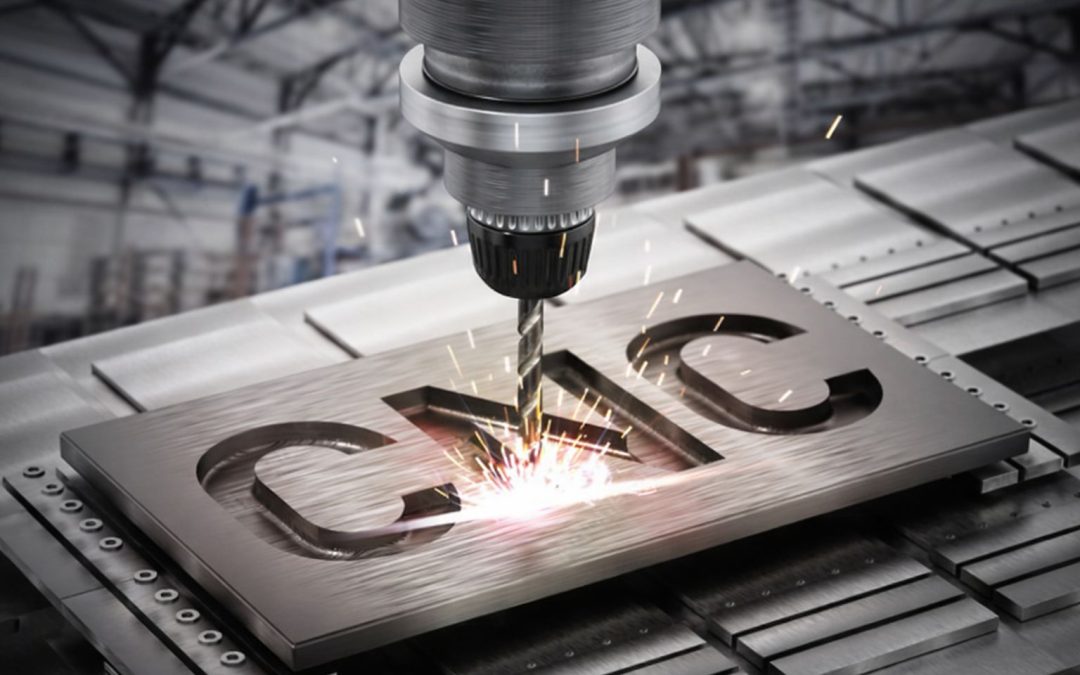
Introduction to CNC Milling: How It Works and Why It Matters
CNC milling is one of the most versatile and widely used manufacturing processes in modern industry. Whether you’re building aerospace components, prototyping consumer electronics, or crafting custom enclosures, CNC milling offers precision, repeatability, and scalability that manual machining simply can’t match.
What Is CNC Milling?
CNC stands for Computer Numerical Control. In CNC milling, a computer controls the movement of cutting tools across a workpiece to shape it into a desired form. Unlike manual milling, where an operator guides the machine by hand, CNC machines follow precise digital instructions—usually derived from CAD (Computer-Aided Design) models.
Axes of Movement
Most CNC mills operate on three axes:
- X-axis: left to right
- Y-axis: front to back
- Z-axis: up and down
Advanced machines may include 4-axis or 5-axis capabilities, allowing for rotation and tilting of the workpiece or tool. This enables the creation of complex geometries without repositioning the part manually.
Materials You Can Mill
CNC milling works with a wide range of materials:
- Metals: aluminum, steel, brass, titanium
- Plastics: ABS, POM (Delrin), acrylic, nylon
- Wood: hardwoods, MDF, plywood
- Composites: carbon fiber, fiberglass
Each material has its own machining characteristics—some are easier to cut, others require specialized tooling or cooling strategies.
Why CNC Milling Matters
Here’s why CNC milling is a cornerstone of modern manufacturing:
- Precision: tolerances down to microns
- Repeatability: identical parts across batches
- Speed: rapid prototyping and production
- Automation: reduced labor and human error
- Scalability: from one-off prototypes to thousands of units
Real-World Applications
CNC milling is used across industries:
- Automotive: engine components, brackets, housings
- Aerospace: turbine blades, structural parts
- Medical: surgical tools, implants, casings
- Electronics: heat sinks, enclosures, PCB milling
- Furniture & Design: custom panels, joints, decorative elements